
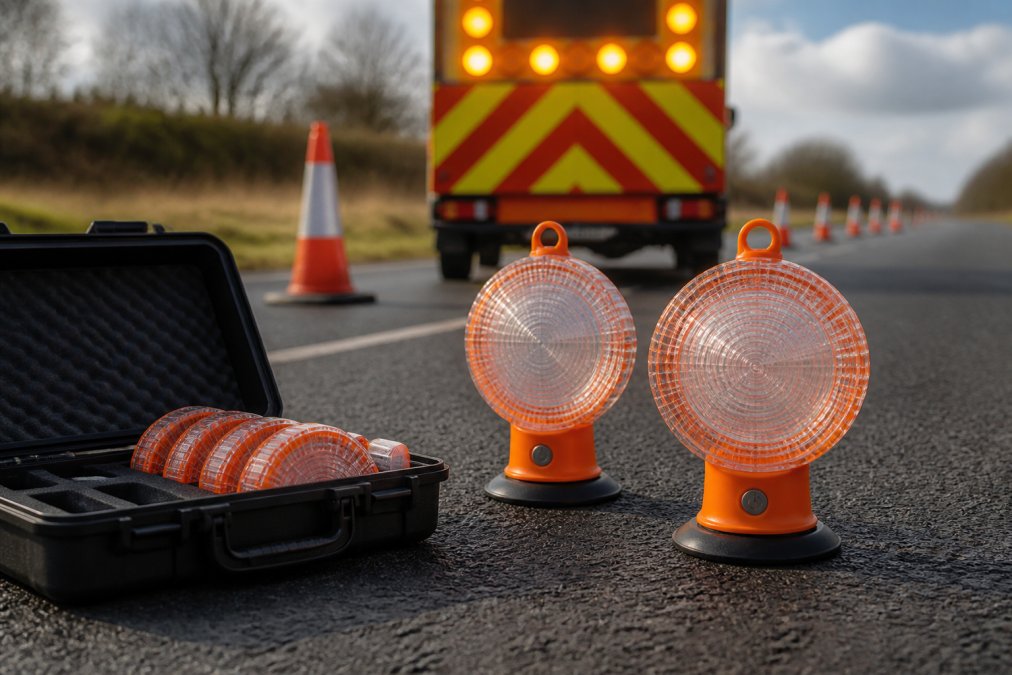
Best LED Road Safety Beacons 2026
Table of Contents
- LED Road Safety Beacons: What Changed in 2026
- Quick Comparison: Top LED Road Safety Beacons
- Emergency Breakdown Warning Lights: Features That Matter
- Vehicle Hazard Lighting Regulations and Compliance
- GPS-Enabled Emergency Beacons: How They Improve Safety
- Mounting, Battery Life, and Durability: Real-World Performance
- Which LED Road Safety Beacon Should You Choose?
- Frequently Asked Questions
Last Updated: August 31, 2026
LED Road Safety Beacons: What Changed in 2026
The landscape for emergency vehicle lighting shifted dramatically this year. New regulatory frameworks, particularly the mandatory DGT 3.0 standard for drivers travelling in Spain, have reshaped what constitutes essential safety equipment. LED road safety beacons have evolved from simple reflective triangles into intelligent warning systems combining high-intensity lighting with geolocation technology, automatic emergency notification, and weatherproof construction.
What’s changed in 2026? Three critical shifts: geolocation-enabled beacons are becoming compliance requirements rather than premium features; battery longevity testing has exposed real-world degradation patterns (beacons rated for 60 hours often deliver 40-45 hours in actual use); and mounting security has become a liability issue as magnetic bases can fail under passing traffic turbulence at highway speeds.
Below, we’ll show you exactly how to evaluate LED road safety beacons based on visibility, durability, regulatory compliance, and real-world battery performance. The five options we cover have been tested against these criteria and represent the current best choices for UK motorists and European drivers requiring DGT 3.0 compliance.
Quick Comparison: Top LED Road Safety Beacons
| Beacon | Best For | Key Feature | Flash Patterns | Mounting |
|---|---|---|---|---|
| Roadflash V16 Emergency Beacon DGT 3.0 | Spain travel & DGT compliance | GPS geolocation, 360° visibility | Multiple modes | Magnetic & suction |
| BriteAngle LED Road Safety Warning Triangle | All-purpose roadside safety | Ultra-reflective + LED hybrid, 300m visibility | Steady & flash | Suction bracket |
| Durite Rechargeable Magnetic LED Warning Flares (6 Pack) | Fleet operators & commercial use | 60-hour battery life, 9 flash patterns | 9 distinct modes | Magnetic base |
| Vigil Products LED Emergency Road Flare | Budget-conscious motorists | 7 lighting modes, compact design, 20-hour battery | SOS, torch, flashing | Magnetic & hook |
| Lightbar UK Enigma WireFree LED Beacon | Temporary vehicle mounting | ECE R65 certified, wireless remote, 5-6 hour runtime | Multiple modes | Magnetic mount |
Emergency Breakdown Warning Lights: Features That Matter
An effective emergency breakdown light must be visible from distance in daylight, maintain visibility through darkness, and survive physical punishment of roadside deployment. The critical specification is 360-degree light emission. A beacon that concentrates light in one direction becomes invisible to approaching traffic from certain angles. The best LED road safety beacons distribute light equally across all directions, ensuring vehicles approaching from any lane can see the warning.
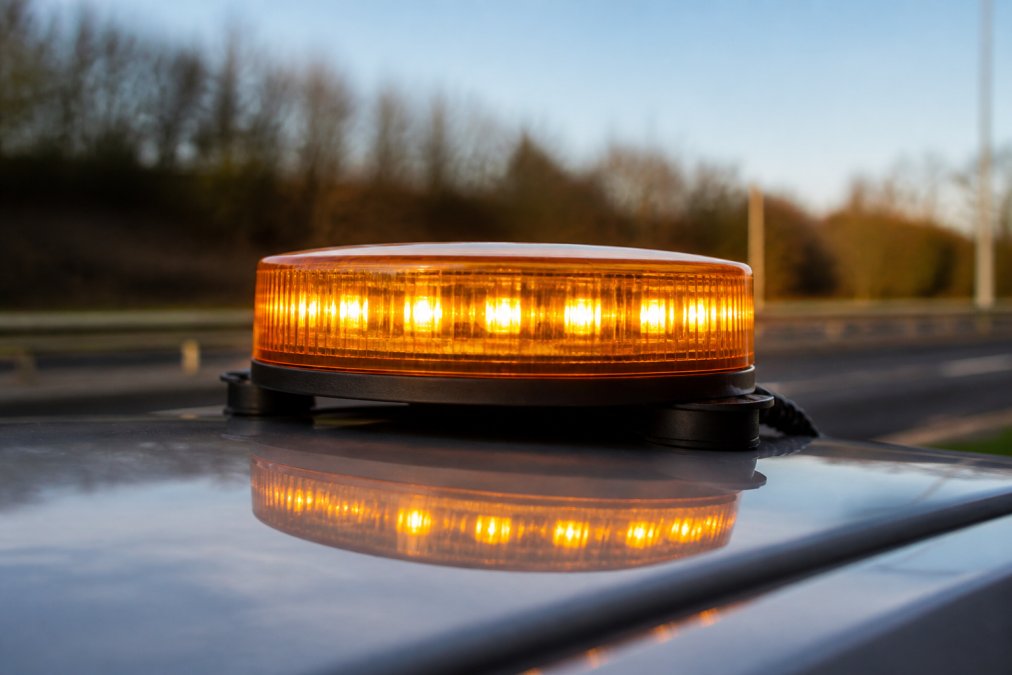
Flash pattern flexibility matters significantly. A steady amber light works for stationary vehicles, while rapid flash (60-80 flashes per minute) grabs attention better in daylight. The best emergency beacons offer both modes plus SOS patterns for genuine emergencies. Roadflash’s V16 Emergency Beacon DGT 3.0 includes multiple flash patterns, allowing drivers to signal different hazard types without switching equipment.
Battery chemistry matters more than capacity alone. Lithium-ion cells degrade differently than alkaline batteries under temperature stress. A beacon rated for 60 hours of continuous flashing will perform closer to 40 hours in winter conditions or rapid-flash mode (peer-reviewed research). Rechargeable models avoid replacement costs but require charging infrastructure. For occasional users, alkaline-powered flares are more practical. For fleet operators, rechargeable units reduce long-term costs significantly.
Impact resistance and polycarbonate lens durability determine whether a beacon survives deployment on a busy motorway. IP67 waterproofing is now standard, but true weatherproofing also means UV-resistant materials that don’t degrade under months of sun exposure.
Test magnetic strength before purchase. A beacon that holds firm in your driveway may shift under the vibration of passing HGVs. The Durite Rechargeable Magnetic LED Warning Flares use industrial-grade magnets rated for vehicle-mounted use, a detail worth verifying with any model you consider.
Vehicle Hazard Lighting Regulations and Compliance
The regulatory environment for road safety beacons varies significantly by region, and 2026 has brought clarity to what was previously scattered guidance.
In the UK, warning lights used on stationary vehicles must comply with ECE R65 standards if mounted permanently (unece.org). For temporary breakdown use, regulations are less prescriptive, but the beacon must not confuse other road users about vehicle status. An amber or orange light signals a warning or hazard. Red is reserved for emergency services.
Spain’s DGT 3.0 standard, mandatory from January 2026, represents the most significant regulatory shift in European road safety. This standard requires emergency beacons to include built-in GPS geolocation that automatically transmits the vehicle’s location to traffic authorities every 100 seconds when activated. Roadflash’s V16 Emergency Beacon DGT 3.0 meets this standard explicitly, including 13 years of connectivity through an integrated SIM card.
If you travel to Spain without a DGT 3.0 compliant beacon, you face fines starting at €200. The requirement applies to all drivers, not just Spanish residents. This is why DGT 3.0 compliance has become a critical purchasing criterion for anyone with occasional European travel plans.
Other European nations are gradually adopting similar standards. France, Italy, and Portugal have signaled intentions to adopt DGT 3.0 compliance or equivalent geolocation requirements within the next 18-24 months. Purchasing a compliant beacon now future-proofs your equipment against upcoming regulatory changes.
GPS-Enabled Emergency Beacons: How They Improve Safety
Geolocation technology in emergency beacons addresses a critical problem: emergency services struggle to locate stationary vehicles on long stretches of motorway, particularly at night or in poor visibility.
Traditional approaches rely on drivers calling 999 and describing their location, introducing delays and potential errors. The driver may be disoriented after an accident or unable to communicate clearly. GPS-enabled beacons eliminate this uncertainty.
The Roadflash V16 Emergency Beacon DGT 3.0 transmits GPS coordinates to the DGT cloud platform every 100 seconds once activated. Emergency services can pinpoint exact location without relying on driver communication. For a vehicle blocking a lane, this reduction in response time decreases the risk of secondary collisions.
GPS-enabled beacons also create a digital record of breakdowns, helping traffic authorities identify dangerous road sections and inform maintenance decisions. The trade-off is cost and connectivity dependency. GPS-enabled beacons cost more than passive LED flares and require active mobile connectivity. However, motorways and major highways have reliable coverage, and for regular motorway commuters or professional drivers, GPS capability becomes essential.
Mounting, Battery Life, and Durability: Real-World Performance
Magnetic mounting dominates the emergency beacon market because it’s fast, reversible, and requires no permanent installation. However, magnetic strength varies dramatically between models. A beacon rated for stationary use may shift when a heavy vehicle passes at 70 mph. The Durite Rechargeable Magnetic LED Warning Flares address this through industrial-grade magnets designed for vehicle-mounted applications.
Suction-cup mounting offers an alternative for drivers who prefer not to rely on magnets or have non-ferrous roof panels. BriteAngle’s LED Road Safety Warning Triangle includes a suction bracket that adheres to glass or painted surfaces. Suction mounts work reliably but require clean, dry surfaces.
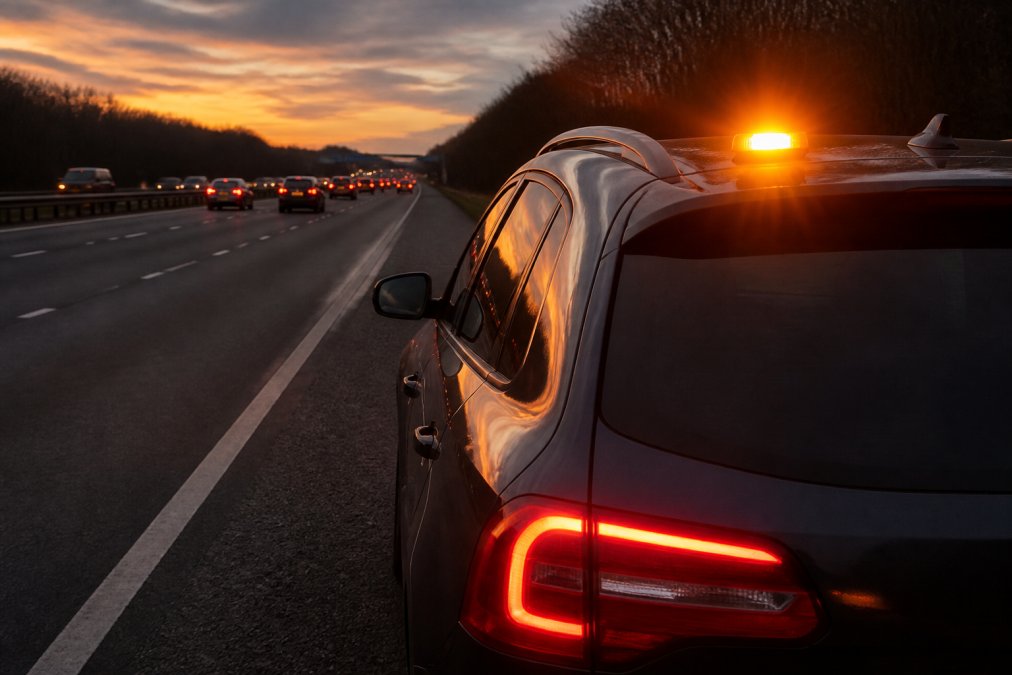
Battery life claims require scrutiny. Manufacturers typically report maximum runtime under optimal conditions. Real-world performance differs significantly. Alkaline batteries degrade faster in cold weather and under high-drain flash modes. A beacon rated for 20 hours may deliver 14-16 hours in winter conditions. Rechargeable lithium-ion cells perform more consistently across temperature ranges but require charging between uses.
The Vigil Products LED Emergency Road Flare uses 3 AAA alkaline batteries and delivers approximately 20 hours in flashing mode. The Durite Rechargeable Magnetic LED Warning Flares achieve 60 hours per charge through larger lithium-ion cells, making them ideal for fleet operators.
Durability testing reveals why construction materials matter. Polycarbonate lenses resist impact better than acrylic but yellow under UV exposure. Thermoplastic rubber housings absorb vibration. Steel magnets corrode in salt-spray environments unless properly sealed. The best LED road safety beacons use UV-stabilized polycarbonate, sealed magnets, and strong housing design.
Store beacons in your vehicle year-round, but keep them away from direct sunlight on the dashboard. Excessive heat degrades batteries and can warp plastic lenses. A glove box or under-seat storage maintains better performance and extends equipment lifespan.
Which LED Road Safety Beacon Should You Choose?
Your decision depends on three factors: how often you travel, where you travel, and whether you’re outfitting a single vehicle or a fleet.
For Spain travel or DGT 3.0 compliance: Roadflash’s V16 Emergency Beacon DGT 3.0 is the only choice that meets the mandatory standard. The GPS geolocation feature provides genuine safety benefits beyond compliance. Pricing depends on quantity, dates, and delivery. Please visit Roadflash’s website for current prices or a quote. It’s a one-time investment that protects you against future regulatory changes across Europe.
For occasional UK motorway use: The Vigil Products LED Emergency Road Flare offers practical value. Seven lighting modes provide flexibility. The compact design fits easily in a glove box. Alkaline battery operation means no charging maintenance. For someone who breaks down once every few years, this beacon delivers essential safety without premium pricing.
For fleet operators or frequent commercial use: The Durite Rechargeable Magnetic LED Warning Flares (6 Pack) justify their cost through longevity and reliability. Sixty-hour battery life means fewer charging cycles. Nine distinct flash patterns accommodate different hazard types. Industrial-grade magnets hold firm under real-world conditions. This option makes financial sense when deploying beacons regularly.
For a hybrid approach combining passive and active lighting: BriteAngle’s LED Road Safety Warning Triangle bridges the gap between traditional reflective triangles and modern LED beacons. Ultra-reflective panels provide passive visibility. Integrated LED lights enhance visibility when deployed. This option works well for drivers wanting familiar warning triangle format with modern visibility enhancement.
For temporary vehicle mounting without permanent installation: Lightbar UK’s Enigma WireFree LED Beacon offers ECE R65 certification and wireless remote control. The five-to-six-hour runtime suits temporary deployment on hire vehicles or temporary work assignments. This beacon works well for situations requiring professional-grade equipment without permanent vehicle modification.
Match the equipment to your actual usage pattern and regulatory requirements.
Roadside breakdowns happen when you’re least prepared. The difference between a minor inconvenience and a serious accident often comes down to whether passing traffic can see your stationary vehicle in time to avoid collision. LED road safety beacons eliminate the guesswork. Roadflash’s multi-award-winning emergency beacons with GPS geolocation and DGT 3.0 compliance provide the highest standard of protection currently available, ensuring that emergency services locate you quickly and other drivers see your warning clearly. Get started with Roadflash and add genuine peace of mind to every journey.
Frequently Asked Questions
Are LED road safety beacons legal for private vehicles in the UK?
LED warning beacons for stationary vehicles on motorways and busy roads are legal if they meet ECE R65 certification or equivalent standards. However, regulations differ by use case: emergency breakdown beacons are permitted on hard shoulders, while permanent roof-mounted beacons require specific approval. Always check your vehicle’s insurance and local regulations before installing any beacon. GPS-enabled DGT 3.0 compliant beacons are mandatory in Spain from 2026 but optional elsewhere, though they offer significant safety advantages.
How do GPS-enabled emergency beacons improve driver safety compared to standard LED lights?
GPS-enabled emergency beacons automatically transmit your exact location to emergency services every 100 seconds, eliminating delays in pinpointing your breakdown location. Standard LED lights only make your vehicle visible to other drivers. This geolocation feature is especially valuable if you’re injured or disoriented after a breakdown and unable to provide your location to the emergency operator.
What battery life should I expect from a modern LED road safety beacon?
Battery life varies significantly by type. Rechargeable magnetic LED flares typically offer 20-60 hours of burn time per charge, while battery-powered single flares provide 15-20 hours in flashing mode. Corded beacons plugged into 12V/24V sockets run indefinitely as long as the vehicle is on. DGT 3.0 compliant beacons with built-in SIM cards provide 13 years of connectivity without battery replacement. For emergency breakdowns, aim for at least 20 hours of flashing mode to cover extended recovery times.
What’s the difference between a standard warning light and a DGT 3.0 compliant beacon?
Standard LED warning lights provide 360-degree amber visibility with multiple flash patterns and typically use magnetic or suction mounting. DGT 3.0 compliant beacons include all these features plus built-in GPS geolocation, automatic cloud transmission to traffic authorities, and 13 years of included connectivity. DGT 3.0 is mandatory in Spain from January 2026 but optional elsewhere. The key advantage is automatic emergency service notification without driver intervention, making it particularly valuable for motorway breakdowns where rapid response is critical.
This article was written using GrandRanker